Plants That Feed Pollinators from July to October
Plants That Feed Pollinators from July to October
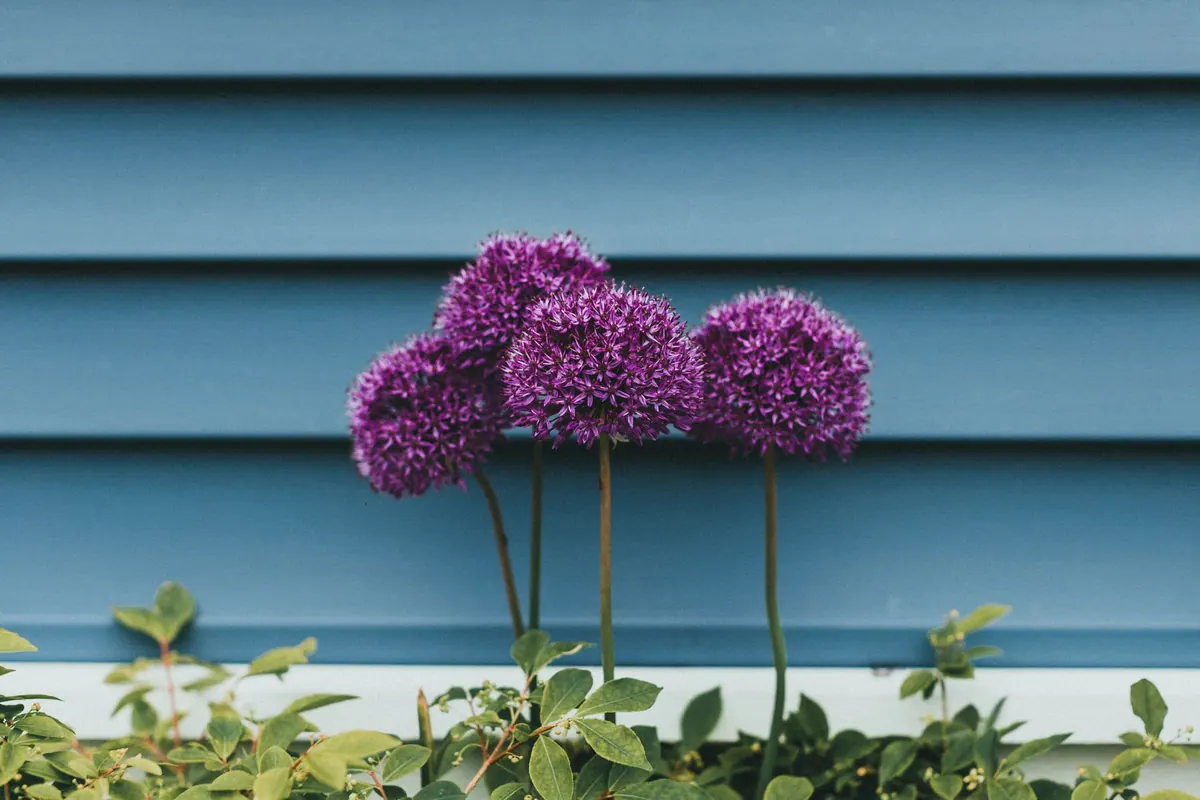
By mid-July, many gardens have quietly stopped. The lupins are brown, the alliums have turned to paper, and the last foxglove is standing there looking sorry for itself. The bees have not stopped, though. Bumblebee colonies are at their largest, new queens are being raised, and butterflies are still on the wing. If there is nothing left to eat, all that effort goes to waste. The second half of the season deserves its own planting plan.
Why the late-summer gap happens
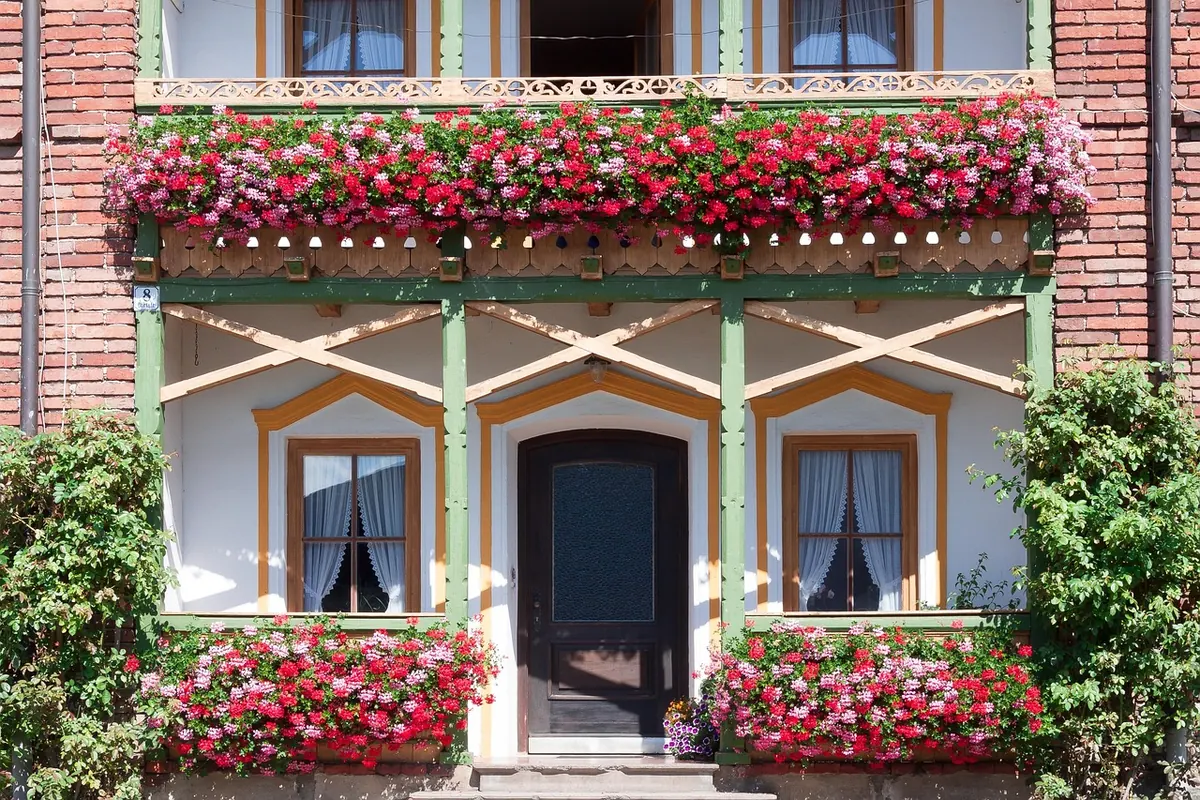
Spring gets all the attention. Garden centres are stacked with bulbs and blossom in April, and by June the shelves are full of petunias and geraniums that look cheerful but offer almost nothing to a hungry bumblebee. We are sold a version of gardening that peaks early and then coasts, and our borders follow suit. The result is a feast in May and a famine in August.
There is also a habit of tidying. As soon as the first flush fades, we cut back, deadhead, and clear the ground. That removes the second wave of flowers before it has a chance to arrive. Many perennials will rebloom if given a little encouragement, and many more are simply late starters that never get the space because spring stars have hogged it.
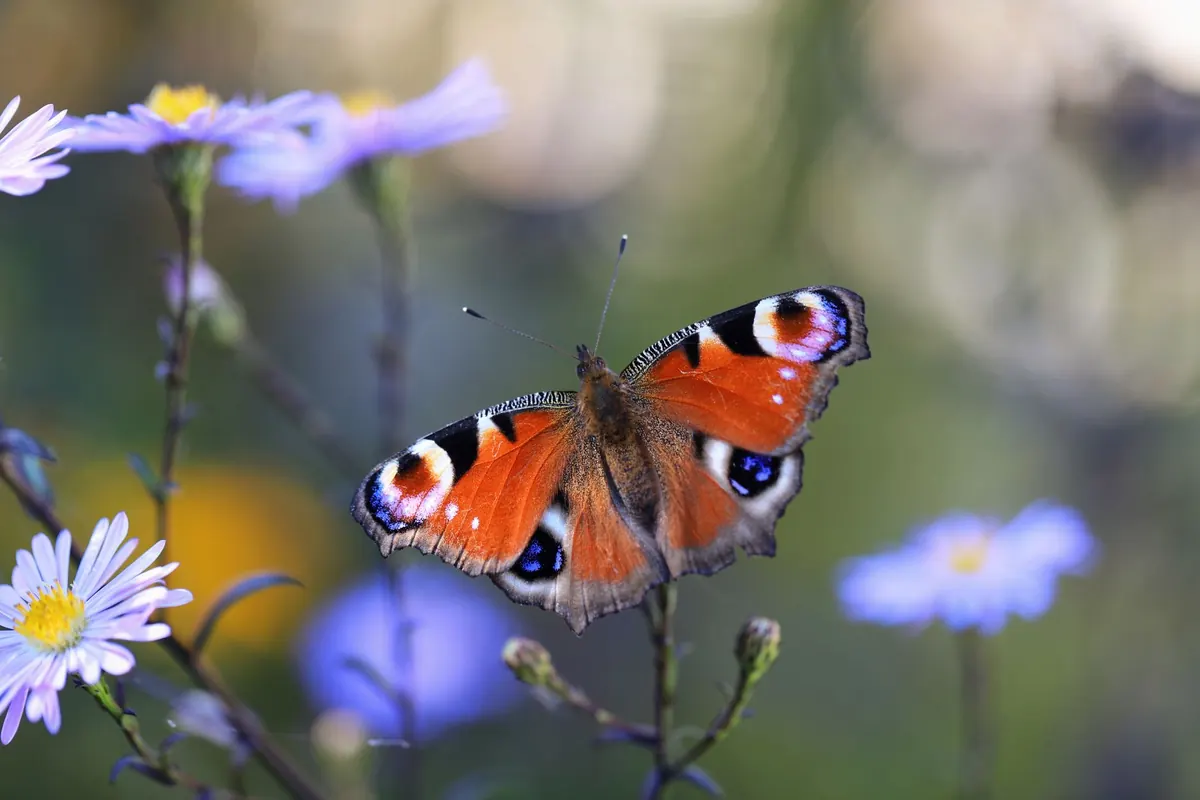
Then there is the weather. Late summer can be hot and dry, and plants that are not established will sulk. But the pollinators do not take a holiday. Bumblebee workers are still foraging, solitary bees are provisioning nests, and butterflies such as the red admiral and painted lady are building up reserves for migration or hibernation. A gap in food is not a minor inconvenience; it can mean the difference between a strong overwintering queen and a colony that fails.
The mismatch between garden and pollinator lifecycles
Most pollinators have evolved alongside wild plants that bloom in sequence. In a natural meadow, there is something flowering from early spring to late autumn. In a garden, we tend to plant for our own enjoyment, which often means a big spring show and a few summer annuals. The bees, however, are on a different schedule. They need a continuous supply, not a single banquet.
Think of your garden not as a series of pretty pictures, but as a larder that must stay open from March to November. The late-season shelves are the ones most often left bare.
What pollinators need from July to October
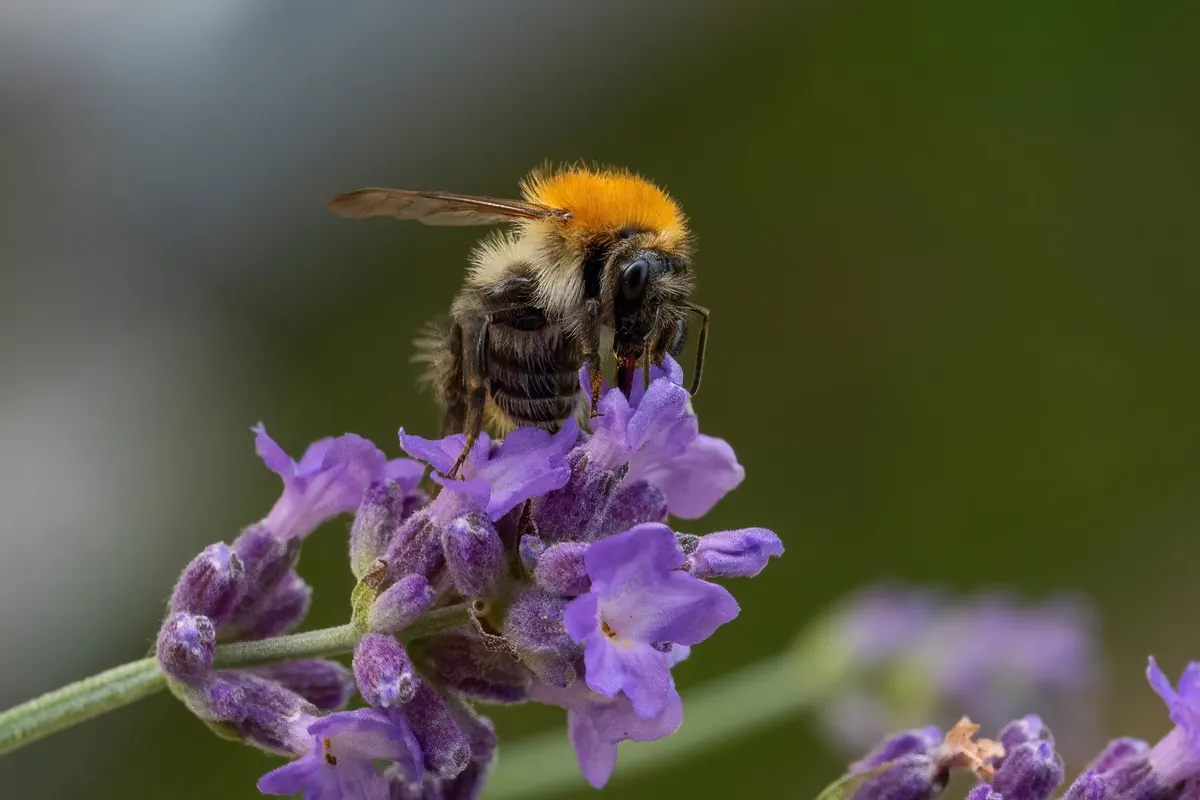
From midsummer onwards, the needs change. In spring, bees are often focused on building nests and feeding larvae. By July, many colonies are at their peak, producing new queens and males. These need high-energy nectar and protein-rich pollen. Butterflies and moths may be nectaring to fuel migration or to lay down fat for winter. Hoverflies, beetles, and even some wasps are also on the hunt for food.
It is not just about flowers. Many pollinators need shelter, water, and undisturbed ground. But flowers are the easiest lever to pull, and they are the difference between a garden that supports life and one that merely looks nice.
- Nectar for energy, especially for bees, butterflies, and hoverflies.
- Pollen for protein, critical for developing larvae and new queens.
- Open, single flowers that allow easy access to nectar and pollen.
- A succession of blooms so there is never a gap of more than a few days.
- Late seed heads that can feed birds and provide overwintering sites.
Plants that feed pollinators from July to October
The following plants are reliable, generous, and widely available. You do not need all of them. A few well-chosen clumps will make a huge difference. Aim for a mix of native and near-native plants, and always choose single-flowered varieties over double-flowered ones.
July: keep the momentum
- Lavender (Lavandula spp.) – if you cut it back after the first flush, it will often reward you with a second. Bees adore it.
- Catmint (Nepeta × faassenii) – a workhorse. Shear it after the first bloom and it will flower again into September.
- Bee balm (Monarda spp.) – a magnet for bumblebees and butterflies. Choose mildew-resistant varieties.
- Borage (Borago officinalis) – self-seeds generously. The blue flowers are refilled with nectar constantly.
- Salvia (Salvia spp.) – many species, from S. nemorosa to S. guaranitica, bloom through late summer.
August: the bridge month
August is often the cruelest month for pollinators. The spring flowers are gone, and the asters have not yet started. This is when you need plants that are tough, drought-tolerant, and unbothered by heat.
- Hyssop (Agastache spp.) – long-blooming, aromatic, and loved by bees and hummingbirds.
- Coneflower (Echinacea purpurea) – the cones are a butterfly favourite, and the seed heads feed goldfinches later.
- Black-eyed Susan (Rudbeckia spp.) – cheerful and generous. Great for hoverflies and small bees.
- Anise hyssop (Agastache foeniculum) – a native North American plant that blooms for weeks.
- Globe thistle (Echinops spp.) – architectural and irresistible to bees.
September: the crucial month
September is when many pollinators are either preparing for winter or migrating. This is the month when asters and goldenrods come into their own. Do not believe the old myth that goldenrod causes hay fever; it is wind-pollinated ragweed that is the culprit. Goldenrod is insect-pollinated and a vital late source of nectar and pollen.
- Asters (Symphyotrichum spp.) – New England aster, calico aster, and many others. Single-flowered varieties are best.
- Goldenrod (Solidago spp.) – underrated and misunderstood. Plant it and watch the bees pile in.
- Stonecrop (Sedum spectabile) – the flat pink heads are a landing pad for butterflies and bees.
- Japanese anemone (Anemone × hybrida) – a late bonus for hoverflies and small bees.
- Dahlia – single-flowered types such as ‘Bishop’s Children’ are excellent for bees.
October: the last call
By October, most gardens are winding down. But mild days still bring out bees, and a few plants will keep going until the first hard frost.
- Ivy (Hedera helix) – the humble ivy flower is one of the most important late-season nectar sources in Europe. Do not cut it all back.
- Sunflower (Helianthus spp.) – late varieties can bloom into October in mild areas.
- Michaelmas daisy (Aster spp.) – many bloom well into autumn.
- Strawberry tree (Arbutus unedo) – where hardy, its bell-shaped flowers open in autumn.
- Autumn sage (Salvia greggii) – keeps flowering until frost if deadheaded.
How to plant for continuous bloom
It is not enough to buy a few late-flowering plants and hope for the best. A little planning goes a long way. Here is a simple approach.
- Audit what you already have. Walk your garden in July, August, and September and note what is flowering. You will quickly see the gaps.
- Plant in drifts. A single plant is a snack; a clump is a meal. Group at least three to five of the same plant together.
- Stagger your deadheading. Cut back early perennials by a third after their first flush to encourage a second. Leave some seed heads for birds and overwintering insects.
- Water deeply, not often. Established plants are more drought-tolerant, but new plantings need help in their first summer.
- Leave the leaves. Many pollinators overwinter in leaf litter or hollow stems. Resist the urge to tidy everything in autumn.
- Add a shallow water source. A saucer with pebbles and water gives bees a safe place to drink.
A simple late-season pollinator plan
If you want a no-fuss framework, try this month-by-month larder. It assumes a temperate climate with frost in late autumn or early winter. Adjust to your own region.
- July: lavender, catmint, bee balm, borage, salvia.
- August: hyssop, coneflower, black-eyed Susan, globe thistle, anise hyssop.
- September: asters, goldenrod, stonecrop, Japanese anemone, single dahlias.
- October: ivy, late sunflowers, Michaelmas daisy, autumn sage, strawberry tree.
Even a small garden can support this sequence. A sunny border of three metres by one metre can hold a surprising amount if you choose compact varieties and plant in layers. If you only have containers, focus on the bridge months: August and September are the ones that matter most.
Common mistakes to avoid
- Planting double flowers. They may look lush, but many have lost their nectar and pollen, or the petals block access.
- Using pesticides. Even organic sprays can harm pollinators. Handpick pests or tolerate some damage.
- Cutting everything back in autumn. Leave stems and seed heads over winter. They provide shelter and food.
- Ignoring native plants. Native pollinators are often adapted to native plants. Include at least a few in your scheme.
- Forgetting about night-flowering plants. Moths need nectar too. Evening primrose, honeysuckle, and jasmine are good choices.
Final thoughts
The late-season garden is not about squeezing out one last show. It is about keeping a promise. When you plant for July to October, you are feeding the queens that will start next year’s colonies, the butterflies that will migrate, and the solitary bees that will overwinter in your soil. You are also giving yourself a garden that feels alive when the rest of the street has gone quiet.
So when the lupins turn brown, do not despair. Reach for the asters. The bees will thank you.
Photo: Christina & Peter / Pexels
You Might Also Like
A season-by-season plan for new gardeners: prepare one border properly, choose reliable plants, and do only the jobs that actually keep it looking good.
Leaf mould, compost and bark chips each suit different borders. Here's how they compare on cost, looks and soil life, and which to use where.