A Beginner's Guide to Planting for Bees in a Small UK Garden
A courtyard the size of a parking space can still be a serious larder for bees. You do not need a meadow, a wildflower mix or a large garden. You need the right flower shapes, a few plants opening at the right times, and somewhere to put a pot. Get those three things roughly right and a small plot will pull in bumblebees, solitary bees and the hoverflies that quietly do a lot of the work alongside them.
What a bee is actually looking for
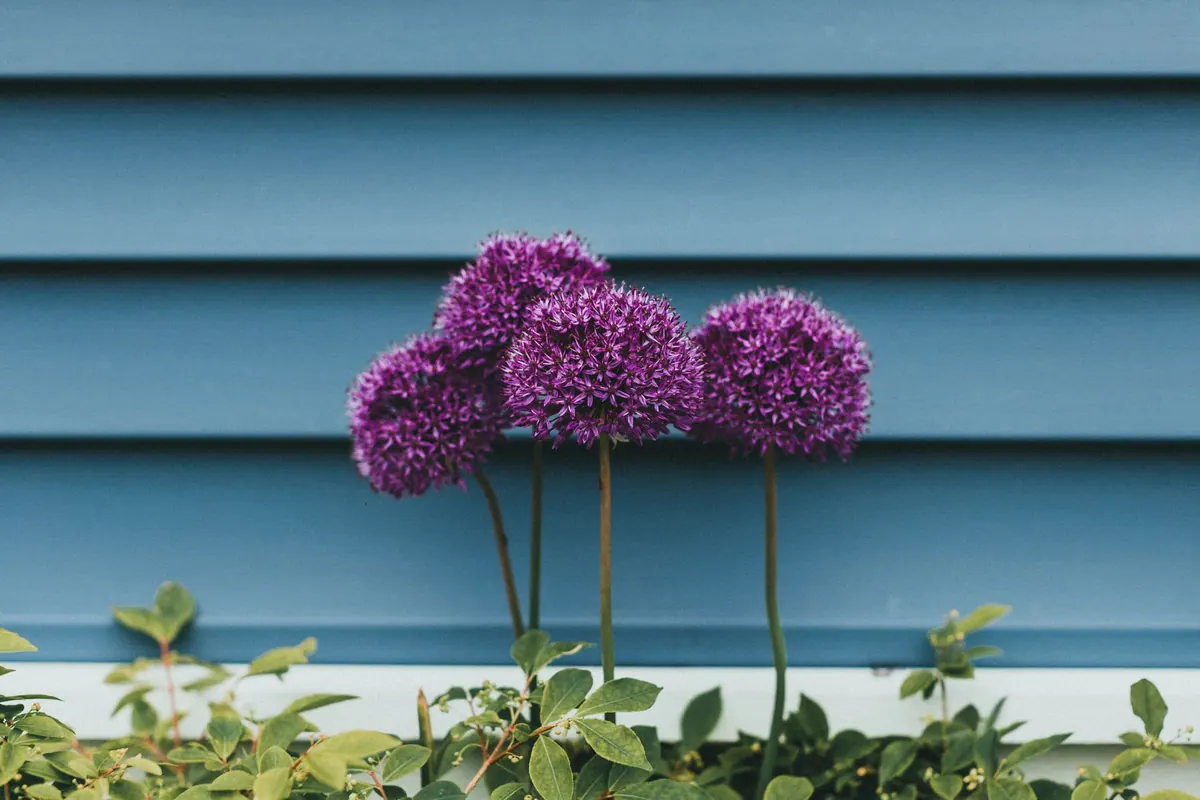
Every bee needs two things from a flower: nectar for energy and pollen for protein. Plenty of garden plants offer neither. Bedding begonias, pompon dahlias and the heavily ruffled roses that win prizes have been bred until the stamens and nectaries have all but disappeared. A rough rule that works: if you can see the middle of the flower, it is probably worth planting.
Open, bowl-shaped flowers
Daisies, cosmos, single dahlias, calendula, poppies and echinacea lay their nectar out in the open. Short-tongued bees, small solitary bees and hoverflies can all reach it without effort. These are the plants that make a small garden look busy on a warm afternoon.
Tubular and lipped flowers
Foxgloves, lungwort, comfrey, salvia, penstemon, catmint and honeysuckle hold their nectar at the end of a tube, which suits long-tongued bumblebees. If you spot a neat hole bitten into the base of a flower, that is a short-tongued bee cheating the system rather than damage — a sign the plant is doing its job. Bumblebees also shake pollen loose from tomatoes, aubergines and borage by vibrating their flight muscles, so those earn a place too.
Flat-topped clusters
Sedum, yarrow, astrantia, fennel, dill, wild carrot and marjoram hold their tiny flowers in a flat plate. That gives small insects somewhere to land and a lot of small sips in one stop. Umbellifers are also excellent for hoverflies, whose larvae eat aphids.
Doubles are the one category to treat with suspicion. The extra petals often come at the cost of pollen, and many are sterile.
Cover the season, not just July
Bees fly here from roughly late February through to November, and the gaps matter more than the peaks. A garden that is spectacular for three weeks in July and bare either side of it will feed very few bees. You do not need everything; aim for one reliable plant in flower in each window.
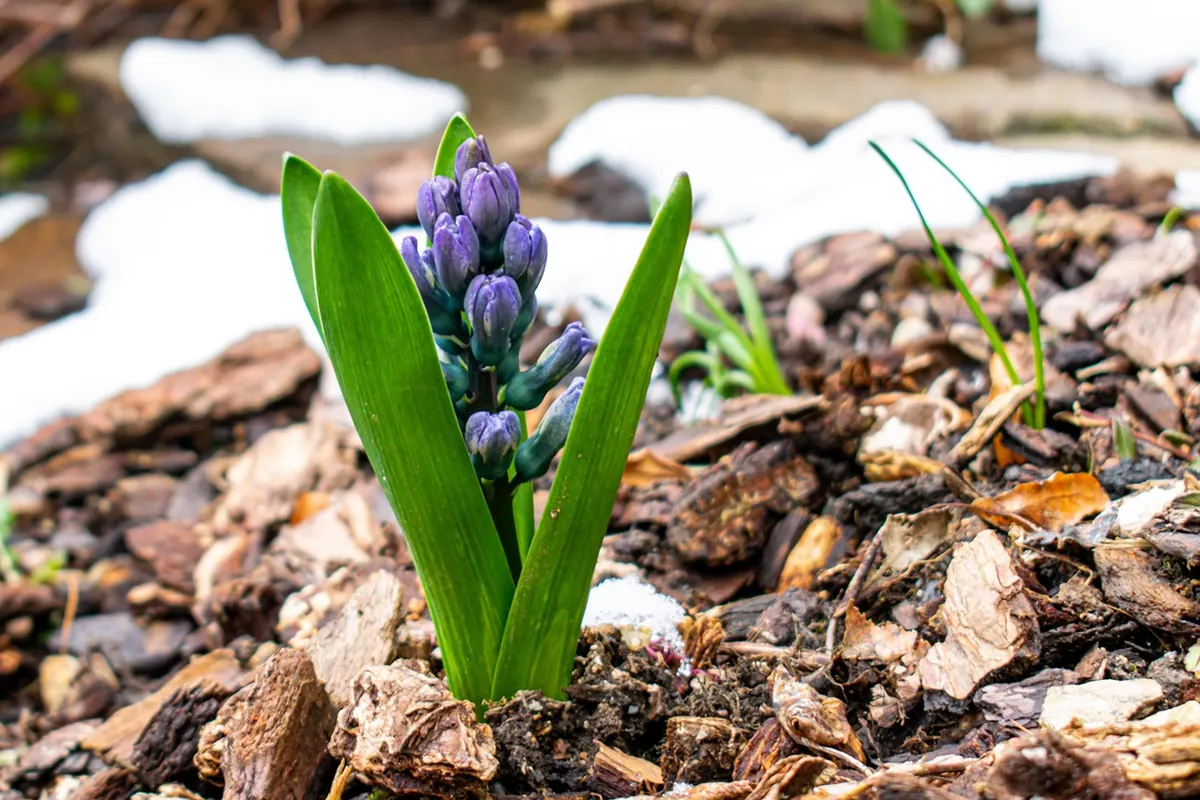
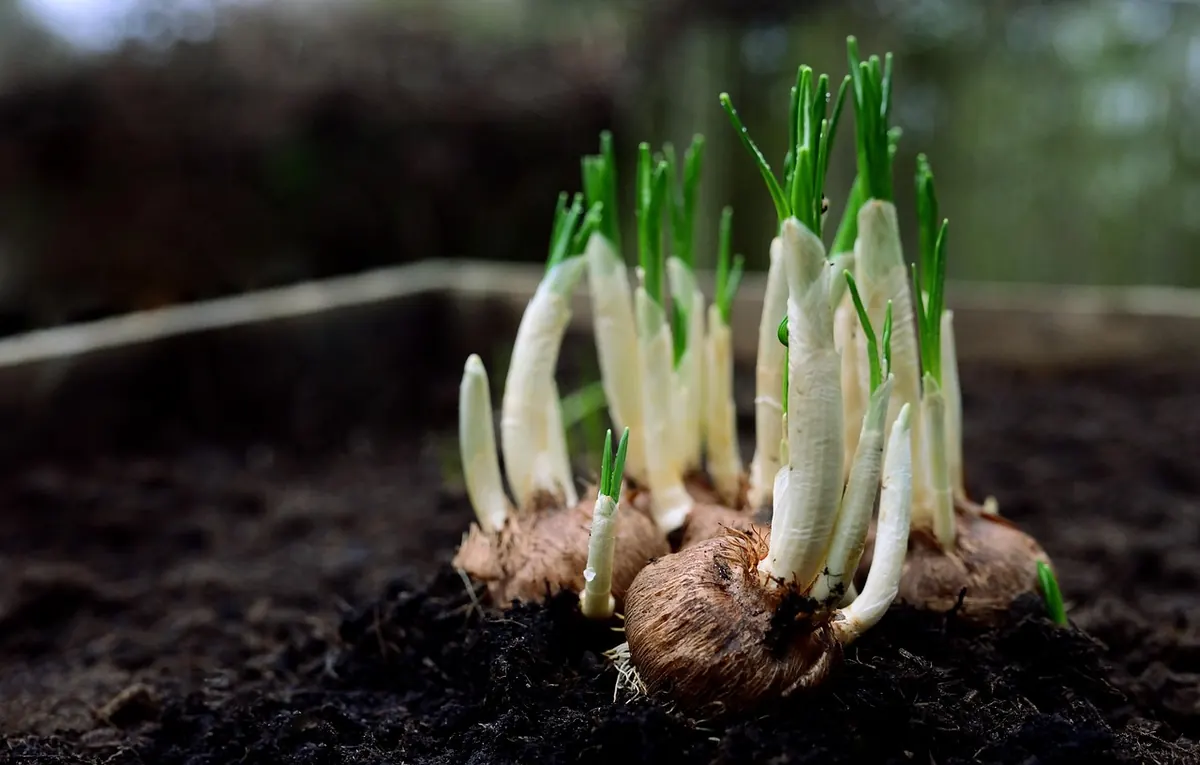
- Late winter and early spring: snowdrop, crocus, winter honeysuckle, mahonia, hellebore. Emerging queens need these badly.
- Mid-spring: pulmonaria, wallflower, flowering currant, fruit blossom — and dandelions, which are far better bee plants than most people think.
- Early summer: comfrey, borage, chives, thyme, catmint, cranesbill.
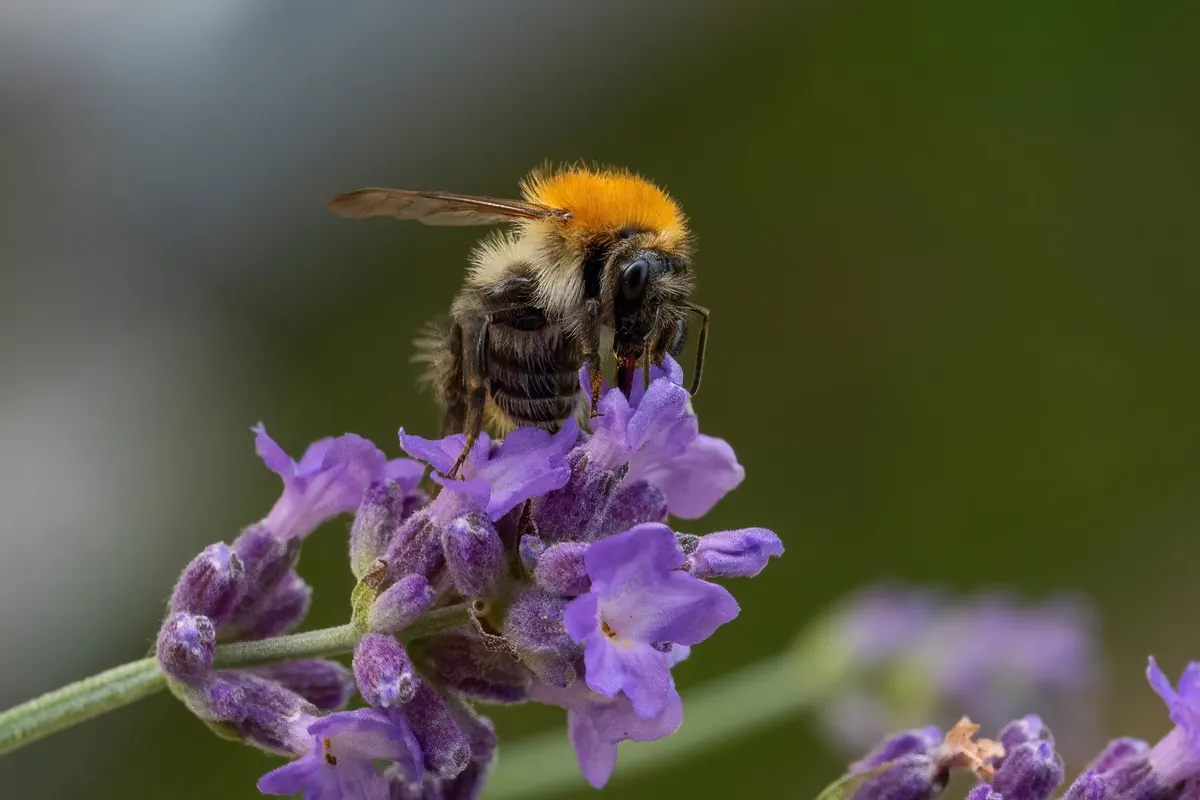
- Midsummer: lavender, oregano and marjoram, salvia, viper's bugloss, phacelia.
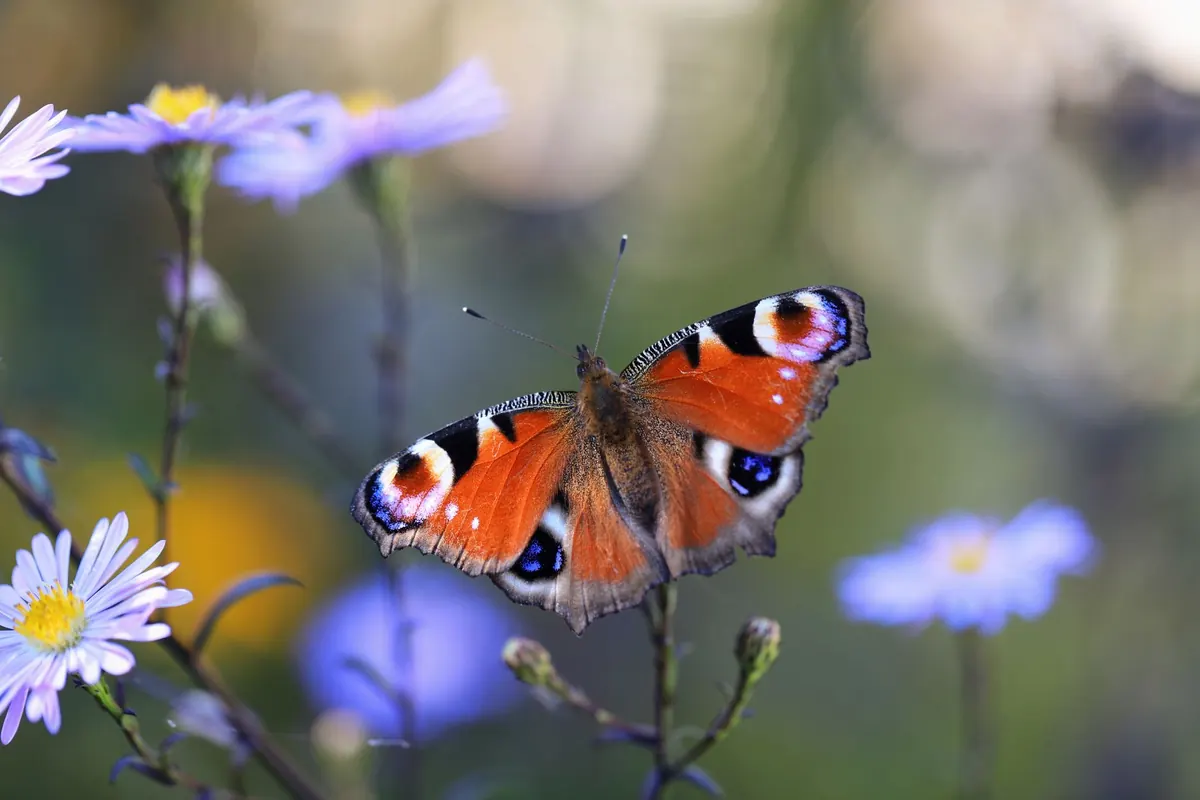
- Late summer and autumn: sedum, asters, echinacea, helenium, single dahlias, verbena.
- Autumn bonus: ivy left to flower on a wall or fence is one of the best late sources going.
Making it fit in a courtyard
In a small plot you are short of ground, not of surfaces. Work upwards and sideways.
Containers do most of the heavy lifting. Go bigger than you think: a 30–40 cm pot holds moisture and roots far better than a row of small ones, and a loam-based compost copes better with a hot wall than a light peat-free mix on its own. Whatever you use, mulch the surface and water in dry spells — a stressed lavender stops producing nectar.
A simple three-pot ladder covers the year: one early pot (crocus or pulmonaria), one midsummer pot (lavender, salvia or marjoram) and one late pot (sedum or aster). Group them so insects can move between them without a long flight. A tiered herb planter does the same job in half the floor space, and you get the thyme and oregano for the kitchen.
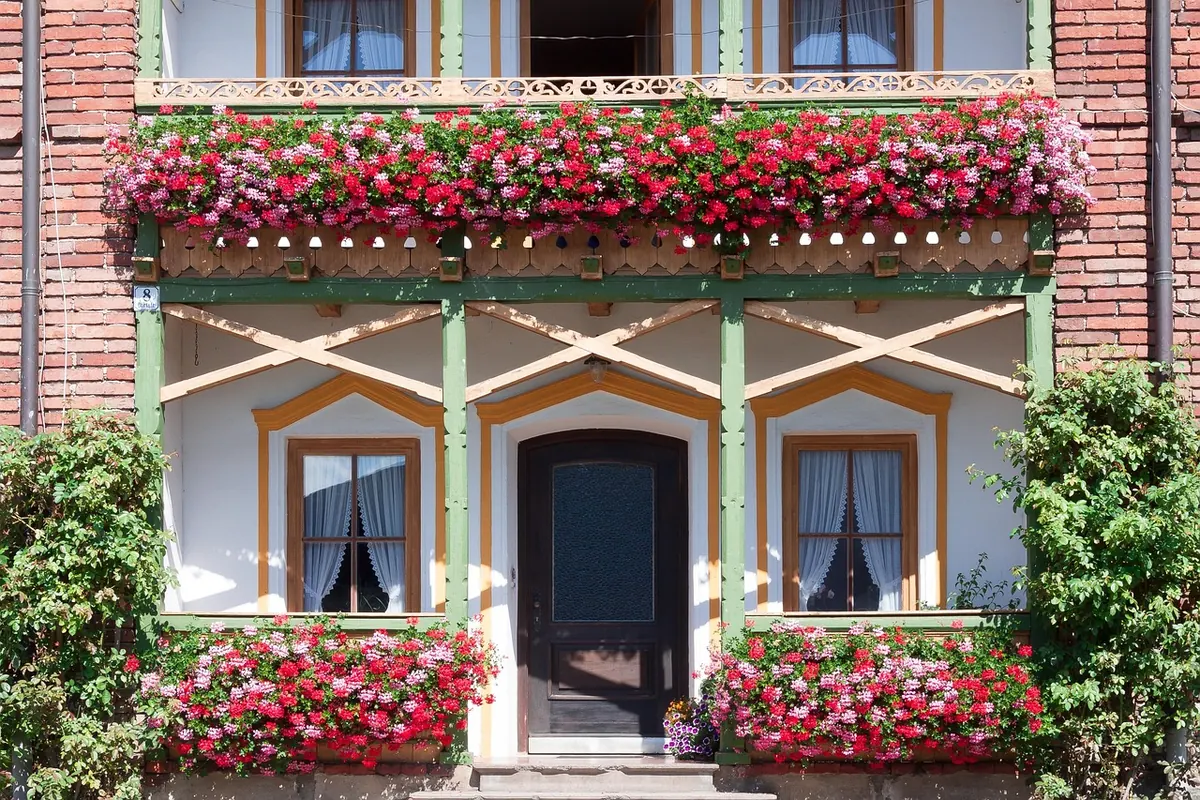
Then use the edges. Train honeysuckle or a single-flowered climbing rose up a wall. Run a window box with thyme, oregano and trailing rosemary if the site is not too windy. Put chives at the front of a rose bed, borage in a corner of the veg patch, marjoram under a fruit tree. A sedum mat on a shed roof or bin store counts as planting too.
Six plants that earn their space
- Lavender — clipped lightly after flowering, in full sun and sharp drainage.
- Marjoram or oregano — flowers for weeks, feeds small bees, and you can eat it.
- Salvia (the hardy kinds) — long season, deep flowers, good in pots.
- Sedum — flat heads that carry late summer into autumn.
- Asters — the last big feed before winter.
- Borage — annual, easy from seed, brilliant for bumblebees.
Habits that make the difference
Planting is half of it. The rest is restraint.
- Do not spray insecticides on anything in flower, and think twice about using them at all.
- Let a patch of lawn grow longer, and leave the clover and dandelions.
- Resist the autumn tidy-up. Seedheads feed birds and hollow stems shelter insects.
- Sink a shallow dish of water with pebbles in it so bees can drink without drowning.
- Leave a bare patch of soil for ground-nesting solitary bees, or
Photo: Gundula Vogel / Pexels
You Might Also Like
A season-by-season plan for new gardeners: prepare one border properly, choose reliable plants, and do only the jobs that actually keep it looking good.
Leaf mould, compost and bark chips each suit different borders. Here's how they compare on cost, looks and soil life, and which to use where.