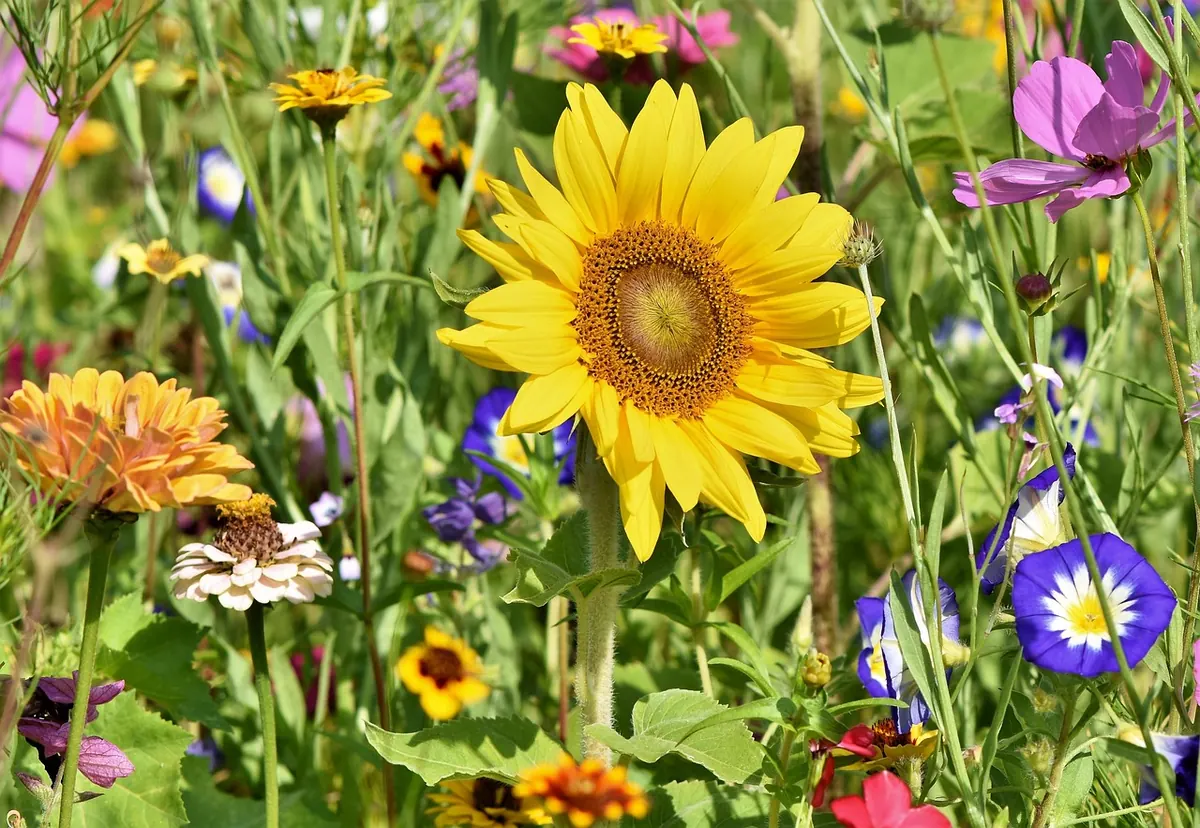
How to Sow a Wildflower Patch in a Small Back Garden
A wildflower patch doesn't need a meadow's worth of space. Two square metres — about the footprint of a picnic blanket — is enough for ox-eye daisies, knapweed and the low hum of bees on a July afternoon. The trick is to stop treating it like a flower bed. Wildflowers want the opposite of what most garden plants want: poor soil, no feeding and a long, unruly summer.
Start with the soil, not the seed
Most wildflower sowings fail for one reason: the ground was too rich. Fertile soil grows lush grass, nettles and docks, and those smother small wildflower seedlings before they get going. Wildflowers evolved on thin, hungry ground — chalk downland, hay meadows cut for centuries, verges scraped of topsoil.
So audit your patch before you buy seed. An old border that has had years of compost and mulch will need some soil removed. A lawn on heavy clay will need opening up and lightening. A raised bed gives you an advantage: you choose what goes in.
Preparing the bed
Clear the ground properly
Dig out or smother everything already growing. Perennial weeds are the real enemy — couch grass, bindweed, ground elder and creeping buttercup will run straight through a young meadow. On a small patch, hand-digging is realistic and reliable. Remove roots as you go, and don't rotavate: chopping roots into pieces multiplies them.
If weeds are thick, cover the ground with cardboard or black polythene weighted with bricks and leave it for a full growing season. It looks grim for a year and saves several years of weeding.
Reduce the fertility
Then pick one of these:
- Lift the top layer. On a very rich border, skim off the top 5–10cm of soil and cart it away. Hard work, but the most effective fix.
- Open up heavy soil. Fork in horticultural grit or sharp sand to improve drainage. It won't remove nutrients, but it helps roots establish.
- Grow and clear. Let weeds or a green manure grow, then cut and remove everything. Every barrowload you carry off takes nutrients with it.
- Build a lean raised bed. Fill it with topsoil or subsoil mixed with grit — no compost. For patios and courtyards this is often the simplest route.
Whichever you choose, don't add compost, manure or fertiliser. That's the one rule.
Firm and rake
Tread the bed so it's firm, then rake the surface to a fine, crumbly tilth. Wildflower seed is small and needs contact with the soil, not a fluffy pillow of loose earth.
Choosing a mix that suits your patch
Buy a native UK wildflower mix rather than a general "bee friendly" packet. Native mixes suit our climate and our insects, and they contain species that come back year after year. Check the packet for:
- Provenance. Seed of British origin is the standard to look for.
- Light. Most meadow mixes want sun. For a north-facing patch, look for a woodland or shade mix.
- Soil. Chalk, clay and acid mixes exist — match yours where you can.
- Annual or perennial. Annual cornfield mixes give fast colour in the first summer. Perennial meadow mixes take a year longer but keep going.
- Grasses. Fine grasses such as sheep's fescue support the flowers, but a grass-heavy mix can outcompete everything else in a tiny patch.
If your soil is stubbornly fertile, add yellow rattle (Rhinanthus minor). This native annual parasitises grass roots, weakening them and opening space for flowers. Sow it in autumn with the meadow mix and let it shed seed before you cut.
Sowing two square metres
Late August to mid-October is the best window for a perennial mix. The soil is still warm, autumn rain does the watering, and many seeds need a cold spell to germinate. Spring sowing works, but you'll water more and wait longer.
Follow the sowing rate on the packet. As a rough guide, a meadow mix containing grasses goes on at around 4–5g per square metre, so two square metres takes about 10g — a small handful. Pure wildflower mixes are sown more thinly. Don't be generous; thick sowing gives you a crowded, weak sward.
- Mix the seed with dry sand or fine compost. It makes tiny seed easier to spread evenly and shows you where you've been.
- Divide the patch into squares in your head, then sow half the seed in one direction and half at right angles.
- Sow in still air. Even a gentle breeze will carry seed away from a patch this small.
- Rake lightly, just a few millimetres deep, then firm with the flat of the rake or by treading.
- Water gently if no rain is forecast, and keep the surface damp for a few weeks.
The first year: green before gold
Don't panic when little happens. Perennial wildflowers put energy into roots first. Year one usually gives a low green mat with flowers from the quickest species; year two is when it starts to look like a meadow. Annual mixes are different — they flower in the first summer, then fade, so leave some bare ground for them to self-seed into.
Water in dry spells for the first six weeks. After that, leave it alone, and don't feed it. Hand-weed obvious problems such as nettles, docks, thistles and brambles. Slugs may mow down seedlings; frustrating, but rarely fatal.
Managing it year after year
The most important job is the cut. Left alone, a mini meadow collapses into a thatch of dead grass and a few dominant species.
- First year: cut to about 5–7cm in late summer once the flowers have set seed, then rake off the cuttings.
- Established patch: one main cut in late summer, then a tidy trim in late autumn.
- Always remove the cuttings. This is what keeps fertility low.
- Leave a corner. An uncut patch over winter shelters insects.
On two square metres you don't need a mower. Sharp shears or a strimmer on a low setting will finish the job in ten minutes. If you want the patch to seed itself, wait until the seed heads have dried and started to shed before you cut.
Keep it going
Two square metres won't support a meadow's worth of wildlife, but it will bring in bees and hoverflies, and it beats another strip of mown turf. The formula is patience plus restraint: poor soil, no feeding, one good cut a year, and cuttings carried off.
If the first year disappoints, give it a second. Most native meadow plants settle slowly and then live for years. By the third summer you'll have a patch that changes week by week, asks almost nothing of you, and gives you a good excuse to leave the mower in the shed.
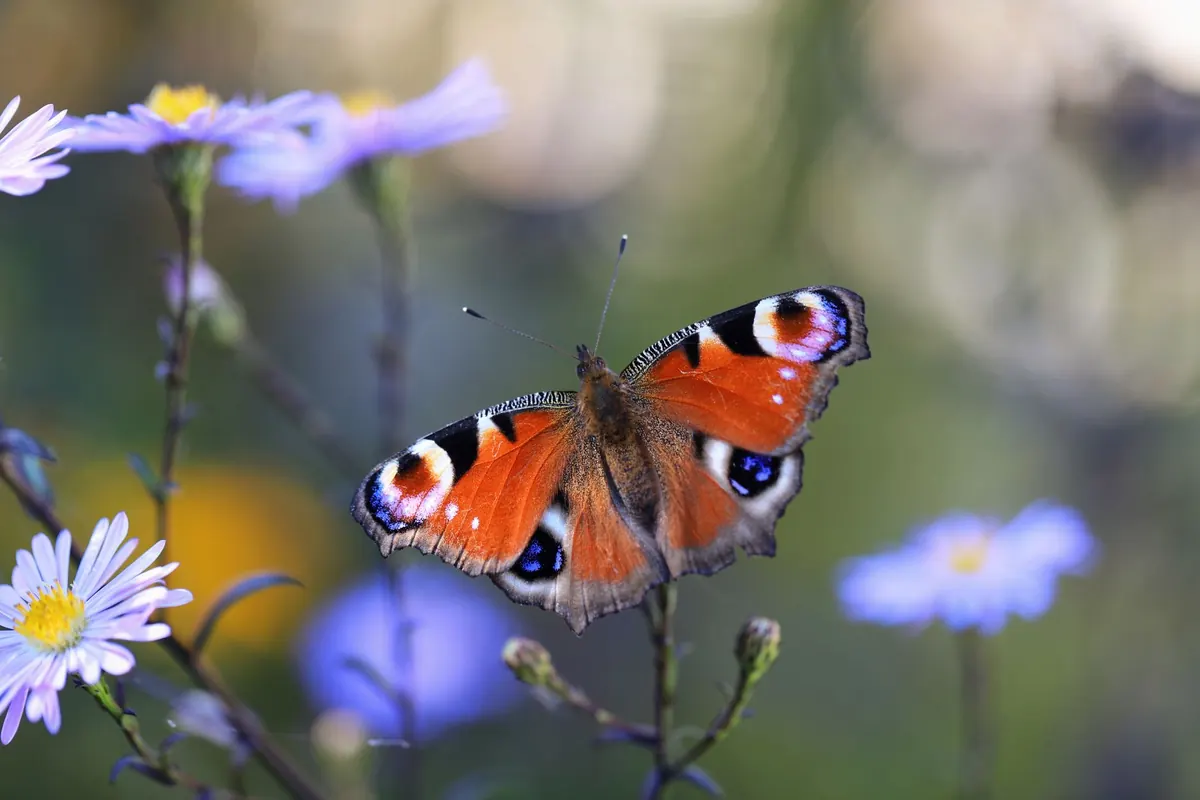
Photo: Ralphs_Fotos / Pixabay
You Might Also Like
A season-by-season plan for new gardeners: prepare one border properly, choose reliable plants, and do only the jobs that actually keep it looking good.
Leaf mould, compost and bark chips each suit different borders. Here's how they compare on cost, looks and soil life, and which to use where.